





Preparing for Your ECAL Metabolic Test
Accurate metabolic data starts with the right preparation.

BEFORE Your Test
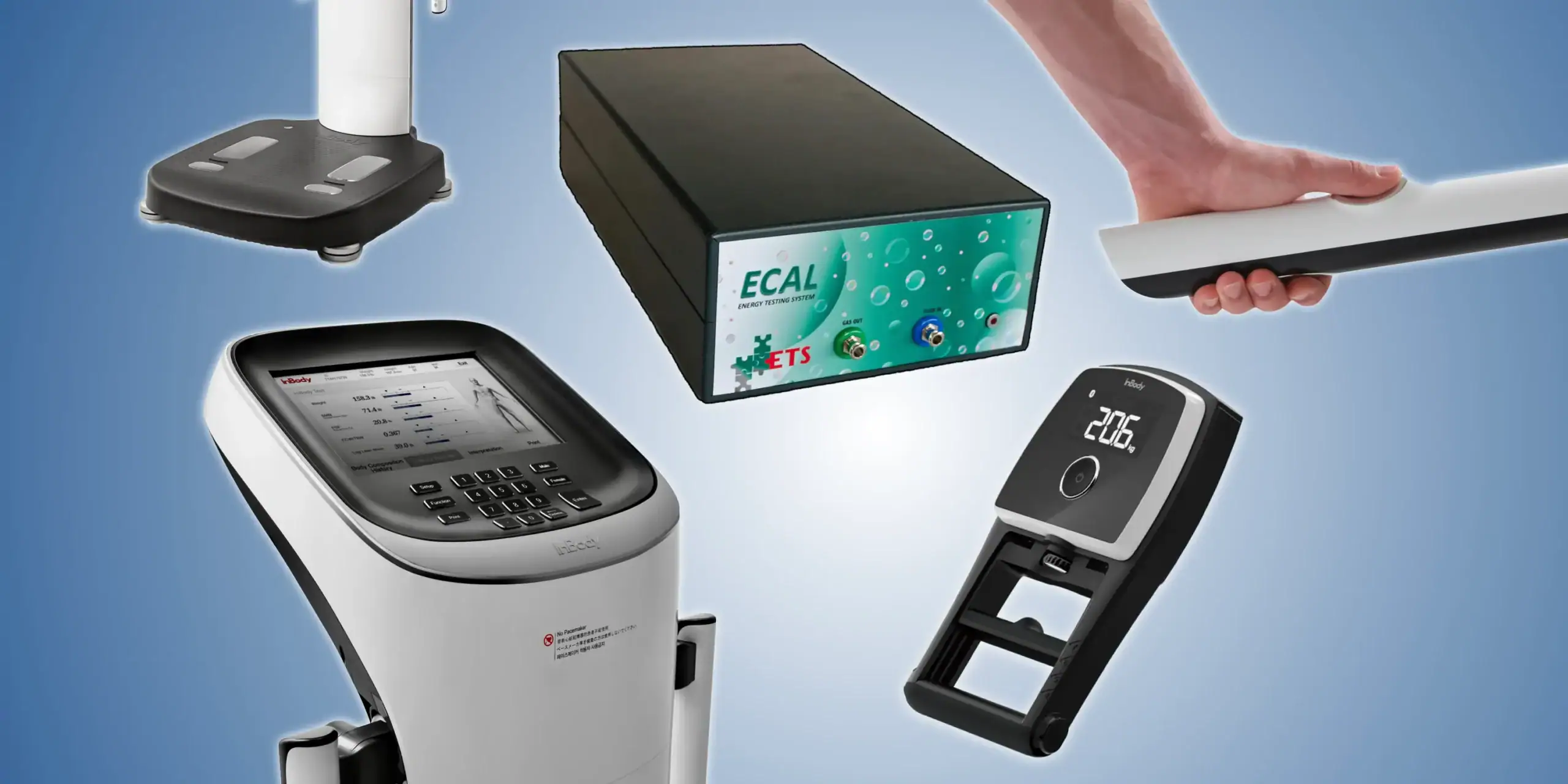
The ECAL indirect calorimeter measures your resting metabolic rate with clinical precision. It analyses every breath you take during the test, comparing inspired against exhaled gasses like oxygen and carbon dioxide to build a complete picture of how your body produces energy at rest. That level of sensitivity means that preparing for ECAL properly matters. What you eat, drink, and do in the hours before your test directly affects the accuracy of your results. This guide covers everything you need to know before your appointment.
Your resting metabolic rate is exactly that: the energy your body burns at complete rest. The ECAL indirect calorimeter is sensitive enough to detect small shifts in your metabolism caused by food digestion, caffeine stimulation, or residual exertion from a recent workout. If any of these are active in your system during the test, your results will reflect a temporarily elevated metabolic state rather than your true baseline.
Following the pre-test protocol below ensures the ECAL captures your genuine resting metabolism. This gives you an accurate foundation for nutrition planning, caloric targets, and understanding how efficiently your body uses fat and carbohydrates for fuel.
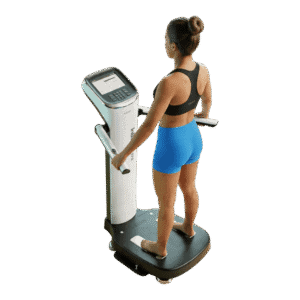
If you are booking an ECAL test alongside an InBody 970 body composition scan, review the Preparing for InBody guide as well. Both tests have overlapping preparation requirements, but ECAL’s fasting window is stricter.
The Pre-Test Protocol
No alcohol or caffeine for 12 Hours Before Your Test

Both are metabolic stimulants. Alcohol disrupts fat oxidation pathways and can elevate your metabolic rate for hours after consumption. Caffeine directly stimulates your central nervous system and increases energy expenditure. Even a single coffee the morning before an afternoon test can skew your results.
No strenuous exercise for 12 Hours Before Your Test

Intense physical activity elevates your metabolism well beyond the session itself. Your body continues burning energy at an elevated rate during recovery, tissue repair, and glycogen replenishment. Training within 12 hours of your test means the ECAL will measure recovery metabolism, not resting metabolism.
No food or drink except water from 4 to 12 Hours Before Your Test

Digestion is a metabolically active process. Your body expends energy breaking down, absorbing, and processing nutrients for hours after a meal. This thermic effect of food elevates your metabolic rate above its true resting baseline. A fasting window of 4 hours (minimum) to 12 hours (maximum) ensures digestion is complete before testing begins. If you use insulin, adjust your dosing and fasting window accordingly and let Steve know at check-in.
No hot or cold therapies for 4 Hours Before Your Test

Saunas, ice baths, hot showers, and cold plunges all force your body to regulate its core temperature. This thermoregulatory response significantly increases energy expenditure and can persist for hours. Avoid any extreme temperature exposure in the 4 hours before your test.
Continue Prescription Medications

Take all prescribed medications on your usual schedule. Do not skip or adjust doses for the purpose of testing. If you have questions about specific medications, let Steve know when you book.
Continue Drinking Water

Continue drinking water as normal right up to your appointment. Hydration does not affect metabolic readings. However, if you are also booking an InBody 970 scan at the same appointment, minimise water intake for the final 2 to 3 hours before your session, as fluid levels affect body composition measurements.
What CLOTHING to wear

There is no specific dress code for an ECAL metabolic test. Wear whatever is comfortable. The test is performed while you sit or recline in a relaxed position, so restrictive clothing is the only thing to avoid.
If you are completing both an ECAL test and an InBody 970 scan at the same appointment, refer to the Preparing for InBody clothing guidelines as well, since the InBody scan requires light clothing, bare feet and contact with hand and foot electrodes.
What happens AT YOUR APPOINTMENT?
Here is exactly what to expect from the moment you arrive. No surprises.
Getting Comfortable

Steve will guide you into a seated or reclined position. The goal is complete physical relaxation. Your body needs to be at rest for the ECAL to measure your true baseline metabolism. There will be enough time to adequately relax before your test actually starts.
Nose Clip and Mouthpiece

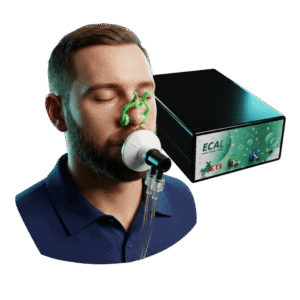
A soft nose clip is placed over your nose to ensure all breathing passes through the mouthpiece. The mouthpiece connects to the ECAL unit and captures every breath for analysis. It may feel unusual for the first few seconds, but most people adjust quickly.
The Breathing Test

Once the mouthpiece is in place, all you need to do is breathe normally. The ECAL analyses the ratio of inspired oxygen to exhaled carbon dioxide (as well as several other factors associated with your gas exchange) in real time. The test takes approximately 5 to 8 minutes. Stay relaxed, breathe at your natural pace, and avoid talking or moving.
Your Results

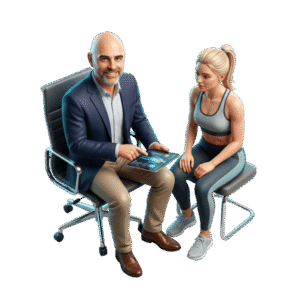
Your results are available immediately. Steve prints your metabolic profile on the spot and walks you through every metric: your resting energy expenditure in calories, the ratio of fat to carbohydrate your body is using for fuel, and your mitochondrial efficiency. This is a full interpretation and education session, not just a printout.
Next Steps

Your ECAL results provide a precise foundation for nutrition and training decisions. If further guidance would help, Steve can prepare a referral to a dietitian, nutritionist, or medical professional based on your results.
What Can AFFECT RESULTS
Even with proper preparation, several factors can influence your resting metabolic rate from one test to the next. Understanding these helps you interpret your results in context.
Illness and infection

Your body increases energy expenditure when fighting off illness. Even a mild cold can elevate your resting metabolic rate above its true baseline. If you are unwell, consider rescheduling.
Nicotine

Nicotine is a metabolic stimulant. Smoking, vaping, or using nicotine patches or gum before your test will elevate your resting energy expenditure and distort your results. Avoid all nicotine products for at least 12 hours before your appointment.
Stress and sleep quality

Chronic stress elevates cortisol, which can influence how your body metabolises fuel at rest. Significant sleep disruption may have a similar effect, though the evidence is less direct. Where possible, test under consistent conditions.
Hormonal fluctuations

Menstrual cycle phase can influence resting metabolic rate. Research shows a small increase during the luteal phase, typically 3 to 5%. Thyroid function also plays a direct role. These are not reasons to avoid testing, but they are worth noting when comparing results across different time points.
Medications
Some medications affect metabolic rate directly. Beta blockers, thyroid medications, stimulant medications, and corticosteroids can all shift your resting energy expenditure. Continue taking them as prescribed, but let Steve know what you are on so your results can be interpreted accurately.
Ambient temperature

If you arrive very cold or overheated, your body may still be expending energy on thermoregulation. The Scan-Van is climate controlled, but the effects of extreme outdoor conditions can carry over briefly.
Clinical SAFETY and Suitability
The ECAL metabolic test is non-invasive and safe for virtually everyone.
No Electrical Current

Unlike bioelectrical impedance devices, the ECAL does not pass any current through your body. It measures only the gases you breathe. This means there are no contraindications related to pacemakers, defibrillators, or other implanted electronic devices. If you have an implant of any kind, the ECAL test is completely unaffected.
Pregnancy

The ECAL test is safe during pregnancy. It involves nothing more than breathing through a mouthpiece while seated. There is no radiation, no electrical signal, and no physical contact beyond the mouthpiece and nose clip.
Respiratory Considerations

The test requires breathing through a mouthpiece with a nose clip for 5 to 8 minutes. If you have a respiratory condition such as asthma, COPD, or significant nasal obstruction, let Steve know when you book. Most respiratory conditions do not prevent testing, but Steve may need to adjust the setup or timing to ensure you are comfortable and your results are reliable.
Preparing for ECAL FAQ
The ECAL is an indirect calorimeter. It measures the volume and composition of the air you breathe in and out, including oxygen consumption, carbon dioxide production, flow rate, and ventilation. From this data it calculates your resting energy expenditure in calories, the ratio of fat to carbohydrate your body is burning for fuel at rest, and your mitochondrial efficiency. It provides a complete picture of how your metabolism is functioning, not just a single calorie number. For a deeper look at the technology, visit the About ECAL page.
The breathing component takes approximately 5 to 8 minutes. Allowing for additional time for setup, results interpretation, and your education session with Steve, we normally expect your appointment to take 30-40 minutes.
No. You sit or recline in a comfortable position and breathe normally through a mouthpiece with a nose clip. The mouthpiece may feel unfamiliar for the first few seconds, but most people settle in quickly. There is no pain, no electrical current, and no physical discomfort.
Yes. Most clients book both together. The preparation protocols overlap, with one key difference: if booking both, minimise your water intake for the final 2 to 3 hours before your appointment, as fluid levels affect InBody body composition measurements. Review the Preparing for InBody guide for the full protocol.
No. ECAL testing is available to everyone. No referral, no membership, and no prior testing history required. You can book directly through the Get Scanned website.
That depends on your goals. If you are actively adjusting your nutrition or training, retesting every 4 to 6 weeks gives you enough time to see measurable metabolic changes. If you are tracking long-term trends, testing every 3 to 6 months is a reasonable interval.
You receive a printed metabolic profile report on the spot. Steve walks you through every result in a full interpretation and education session. If your results indicate that further support from a dietitian, nutritionist, or medical professional would be beneficial, Steve can prepare a referral.
Yes. The test involves breathing through a mouthpiece while seated. There is no radiation, no electrical current, and no contact with your body beyond the mouthpiece and nose clip.
Preparing for ECAL Overview
Why preparation matters
The ECAL indirect calorimeter measures resting metabolic rate by analysing every breath during the test, comparing inspired against exhaled gases including oxygen and carbon dioxide. That sensitivity means it detects small metabolic shifts caused by food digestion, caffeine stimulation or residual exertion from a recent workout. If any of those are active, the result reflects a temporarily elevated metabolic state rather than a true baseline. The ECAL fasting window is stricter than the InBody's, and since every ECAL appointment includes an InBody 970 scan, both sets of preparation apply.
The pre-test protocol
No alcohol or caffeine for 12 hours, since both are metabolic stimulants, and even a single coffee the morning before an afternoon test will skew results. No strenuous exercise for 12 hours, because the body keeps burning energy at an elevated rate through recovery, tissue repair and glycogen replenishment, so the ECAL would measure recovery metabolism rather than resting metabolism. No food or drink except water for a window of 4 hours minimum to 12 hours maximum, since digestion is metabolically active and the thermic effect of food elevates metabolic rate above true baseline. Anyone using insulin should adjust dosing and fasting window accordingly and tell Steve at check-in. No hot or cold therapies for 4 hours, including saunas, ice baths, hot showers and cold plunges, since thermoregulation significantly increases energy expenditure and can persist for hours. Continue all prescription medications on the usual schedule without skipping or adjusting doses. Continue drinking water as normal, since hydration does not affect metabolic readings, though water intake should be minimised for the final 2 to 3 hours because the accompanying InBody scan is affected by fluid levels.
What to wear, and what happens
There is no dress code for the ECAL itself. The test is performed seated or reclined, so only restrictive clothing should be avoided. Because every ECAL appointment includes an InBody 970 scan, the InBody clothing guidance also applies: light clothing, bare feet and direct contact with the hand and foot electrodes. At the appointment, Steve guides the client into a seated or reclined position with enough time to relax properly before the test begins. A soft nose clip is placed so all breathing passes through the mouthpiece, which connects to the ECAL unit. It feels unusual for the first few seconds and most people adjust quickly. From there it is normal breathing for approximately 5 to 8 minutes while the ECAL analyses gas exchange in real time, staying relaxed and avoiding talking or moving.
What can shift results
Illness and infection raise energy expenditure, so even a mild cold elevates resting metabolic rate above true baseline and rescheduling is worth considering. Nicotine is a metabolic stimulant, so smoking, vaping, patches and gum should all be avoided for at least 12 hours. Chronic stress elevates cortisol, which can influence fuel metabolism at rest, and significant sleep disruption may act similarly though the evidence is less direct. Menstrual cycle phase can influence resting metabolic rate, with research showing a small increase during the luteal phase of roughly 3 to 5 percent, and thyroid function plays a direct role. Neither is a reason to avoid testing, only something to note when comparing results across time. Some medications shift resting energy expenditure directly, including beta blockers, thyroid medications, stimulant medications and corticosteroids, and these should be continued as prescribed with Steve told what they are so results are interpreted accurately. Ambient temperature matters too, since arriving very cold or overheated means energy is still going into thermoregulation.
Safety and suitability
The ECAL test is non-invasive and safe for virtually everyone. It passes no electrical current through the body and measures only exhaled gases, so there are no contraindications related to pacemakers, defibrillators or any other implanted electronic device. It is safe during pregnancy, involving nothing more than breathing through a mouthpiece while seated, with no radiation, no electrical signal and no physical contact beyond the mouthpiece and nose clip. The test does require breathing through a mouthpiece with a nose clip for 5 to 8 minutes, so anyone with asthma, COPD or significant nasal obstruction should mention it when booking. Most respiratory conditions do not prevent testing, though the setup or timing may need adjusting for comfort and reliable results.
Results and next steps
Results are available immediately. Steve prints the metabolic profile on the spot and walks through every metric: resting energy expenditure in calories, the ratio of fat to carbohydrate being used for fuel, and mitochondrial efficiency. This is a full interpretation and education session rather than a printout. Where further guidance would help, Steve prepares a referral to a dietitian, nutritionist or medical professional based on the results. ECAL appointments run approximately 40 minutes and are conducted from the Scan-Van across Greater Melbourne and regional Victoria.