






Clinical Body Composition Testing for Your Patients
Objective, trackable patient data to support clinical decision-making. Host Get Scanned for client appointments, or refer patients to our regular clinics throughout your community

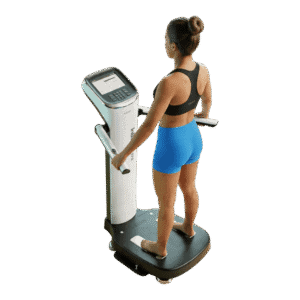
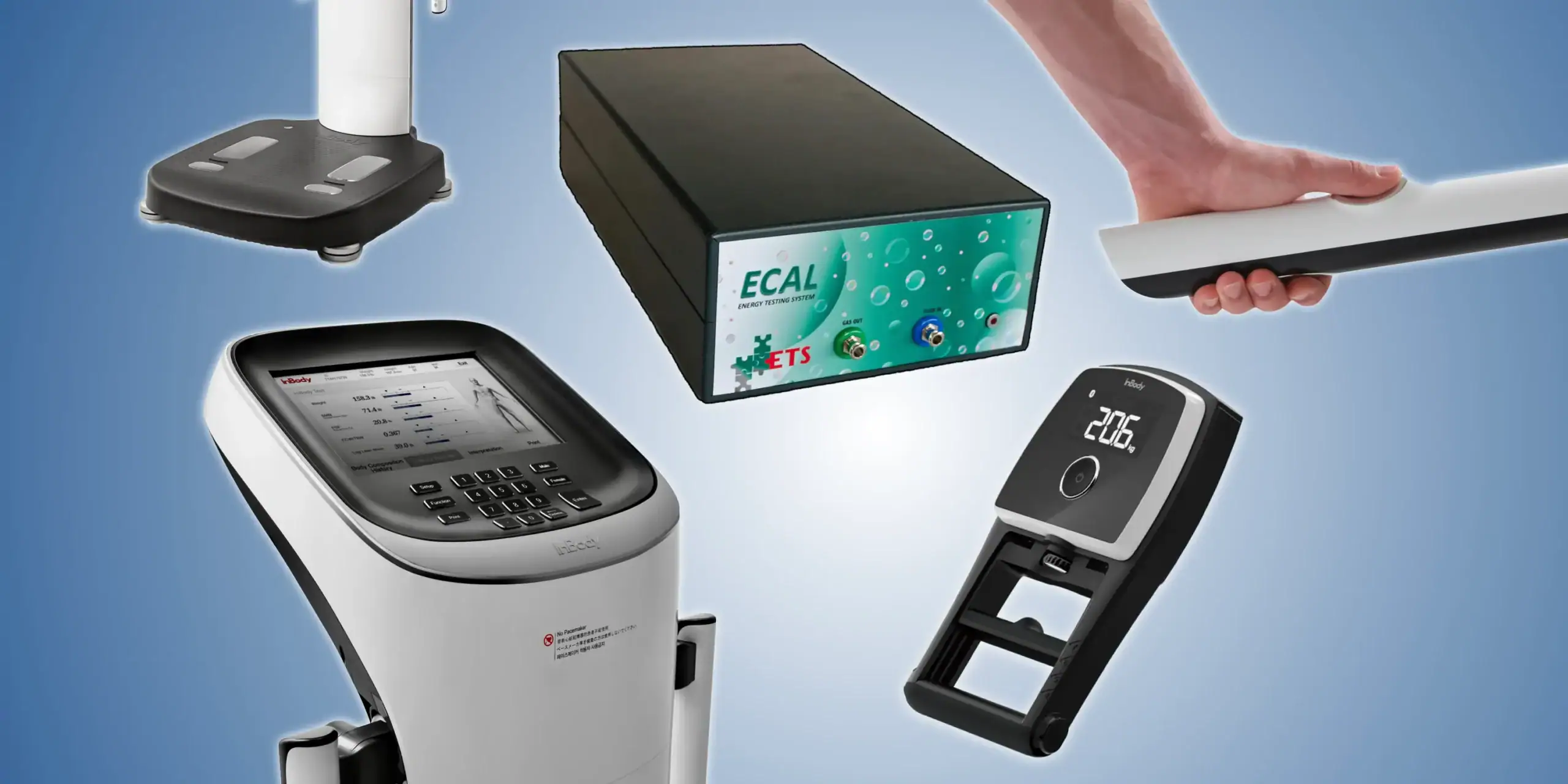
Get Scanned provides mobile InBody 970 body composition analysis and ECAL metabolic profiling for medical and allied health practitioners. Steve Burden conducts every scan, interprets every result, and provides detailed reports for your patient files.
Why Body Composition Data Matters in Clinical Practice
BMI tells you almost nothing useful. It cannot distinguish fat from muscle, cannot identify visceral fat accumulation, and cannot track how a patient’s body composition changes in response to treatment. A patient losing weight on the scale may be losing muscle. A patient gaining weight may be gaining lean mass.
Without body composition data, you are making clinical decisions with incomplete information. Clinical body composition testing using the InBody 970 gives you the granularity that BMI, scales, and skinfold callipers cannot: visceral fat area, segmental lean analysis, total body water and intracellular/extracellular water ratio, skeletal muscle index, and body fat percentage mapped across the trunk and all four limbs. These are objective, repeatable metrics validated against DEXA with particularly high levels of concordance that you can track across consultations, interventions, and treatment programs.
How It Works for Your Practice
Two pathways to access clinical body composition testing for your patients.
Refer your patients to any of our scheduled clinics, or host Get Scanned at your practice for dedicated patient appointments. Either way, you receive detailed clinical reports for your patient files.
Refer to Our Clinics
Your patients book into any scheduled Get Scanned clinic across Melbourne & Regional Victoria. They receive a full consultation with Steve, and you receive a detailed report with their consent. No coordination required from your end.

Host at Your Practice
For practitioners who want regular scan access for their patients, the Scan-Van can visit your practice for dedicated appointment sessions. Your patients attend at the van. No disruption to your clinic schedule and no equipment to purchase.

Detailed Reports for Patient Files
Every scan produces a comprehensive clinical report covering all measured parameters. Reports are provided to the referring practitioner with patient consent for inclusion in clinical records. Steve walks every patient through their results in plain language before they leave.

Ongoing Monitoring
Body composition data is most valuable when tracked over time. Patients can re-scan at any clinic location or hosted session, with results compared against their baseline to give you objective evidence of treatment response.

What Practitioners and Patients Receive
Every Get Scanned session is a one-on-one consultation. Steve walks each patient through their full InBody 970 results in plain language: what each metric means, how it connects to their health goals, and what practical steps they can take. Patients leave understanding their own data. Practitioners receive a copy of the client’s multi-page report, ready for inclusion in clinical records. When ECAL metabolic testing is added, pracvtitioners and patients also receive a resting metabolic rate report showing measured caloric expenditure and substrate utilisation (fat versus carbohydrate oxidation), giving you the data to prescribe evidence-based caloric targets rather than relying on estimation formulas. Patient preparation instructions are straightforward and provided at the time of booking.
Clinical Applications for Medical Body Composition Assessment
Clinical body composition testing provides objective, measurable data across a wide range of clinical settings. These are the areas where practitioners refer patients to Get Scanned most frequently.
Primary Care and Preventive Health
GPs referring patients for baseline body composition assessments gain objective data that BMI cannot provide. Visceral fat area, skeletal muscle mass, and body water balance give you measurable starting points for weight management, chronic disease monitoring, and lifestyle intervention programs. Sequential scans track patient progress across consultations, replacing subjective assessment with clinical evidence.

Bariatric Surgery
Bariatric patients undergo some of the most rapid body composition changes in clinical medicine. Without monitoring, significant lean mass loss goes undetected beneath headline weight loss numbers. Pre-operative InBody 970 scans establish a detailed baseline. Post-operative sequential scans track exactly what is being lost and what is being preserved, giving surgical teams objective data to adjust nutritional support, protein targets, and exercise programming.

Medical Weight Management
Patients on GLP-1 receptor agonist therapies such as semaglutide and tirzepatide require body composition monitoring throughout treatment. Rapid weight loss without visibility of what is being lost risks significant skeletal muscle depletion. Sequential InBody 970 scans track fat mass reduction against lean mass preservation, giving prescribing practitioners objective data to adjust dietary guidance, exercise programming, and treatment protocols.
Dietetic and Nutrition Practice
Pair InBody body composition data with ECAL metabolic profiling to replace estimated caloric targets with measured values. Measured resting metabolic rate eliminates reliance on formulas like Harris-Benedict and Mifflin-St Jeor, which are often significantly inaccurate in clinical populations including post-bariatric, obese, sarcopenic, and elderly patients. Track the impact of dietary interventions on fat mass, lean mass, and metabolic rate over time.

Chronic Disease Management
Monitoring sarcopenia progression, diabetes-related body composition changes, renal fluid balance via intracellular and extracellular water ratios, and cardiovascular risk indicators through visceral fat area tracking. Hand grip dynamometry via the InBody Grip HGS complements body composition data for functional strength assessment and early identification of decline.

Rehabilitation and Sports Medicine
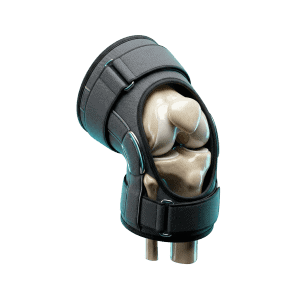
Segmental lean analysis across all four limbs for tracking recovery from injury, post-surgical rehabilitation, and return-to-sport readiness. Identify bilateral asymmetry and monitor lean mass restoration over time. Hand grip dynamometry provides additional functional data for physiotherapists and exercise physiologists managing complex rehabilitation programs.
Aged Care and Geriatrics
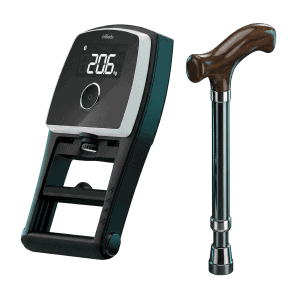
Sarcopenia screening aligned with EWGSOP2 diagnostic criteria: skeletal muscle index and appendicular lean mass via clinical body composition testing using the InBody 970, paired with hand grip strength measurement via the InBody Grip HGS. Falls risk assessment via segmental muscle balance. Malnutrition monitoring through body cell mass and body water distribution.
ECAL Metabolic Testing in Clinical Settings
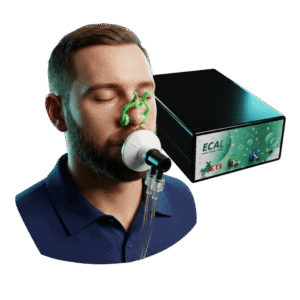
The ECAL is an electronic indirect calorimeter that measures resting metabolic rate through breath analysis. Unlike estimation formulas, which can deviate by 200 to 500 calories per day in clinical populations, the ECAL measures actual caloric expenditure and substrate utilisation: the ratio of fat to carbohydrate oxidation at rest. This data is critical for dietitians prescribing caloric targets, bariatric teams assessing metabolic adaptation post-surgery, and any practitioner managing patients whose metabolism does not behave predictably.
Clinical settings are ideal for ECAL testing. Patients can be instructed to fast, avoid caffeine and exercise, and arrive in a rested state. The clinical environment supports the quiet, stress-reduced conditions the test requires. Patient preparation for ECAL is straightforward, and compliance is high when the referring practitioner sets expectations at the point of referral.
ECAL is always conducted alongside an InBody 970 scan, making clinical body composition testing and metabolic profiling available in a single session.
Talk to Steve About Referral Options
Whether you want to refer individual patients or explore regular scan sessions, start here.
Tell us about your practice and your patients. Steve will review your details and get back to you promptly.
FAQ from Medical and Allied Health Practitioners
The InBody 970 measures over 70 parameters including body fat percentage, visceral fat area, segmental lean analysis across all four limbs and the trunk, total body water, intracellular and extracellular water ratio, body cell mass, bone mineral content, basal metabolic rate and much more. Full details are available on our InBody 970 page.
Peer-reviewed validation studies demonstrate particularly high levels of concordance between the InBody 970 and DEXA for body composition measurement. The InBody 970 uses 8 frequencies across 40 impedance measurements with 99% reproducibility, making it suitable for longitudinal clinical monitoring. Unlike DEXA, the InBody 970 involves no radiation, no referral requirements, and scans complete in 70 seconds, making repeat testing practical and accessible for ongoing patient management.
The InBody 970 scan itself takes 70 seconds. However, every Get Scanned session is a full consultation. Steve walks each patient through their results, answers their questions, and discusses practical next steps. Allow 15 to 30 minutes for an InBody consultation, or 30 to 45 minutes when ECAL metabolic testing is included.
Yes. Patients should follow the same preparation guidelines as any clinical body composition assessment: fasting for at least 2 hours, no vigorous exercise for 12 hours prior, well hydrated but not overhydrated, and wearing light clothing. When ECAL is included, additional preparation applies including fasting for 10 to 12 hours and avoiding caffeine. Full preparation instructions are provided at booking and are available on our InBody preparation page and ECAL preparation page.
Yes. With patient consent, detailed PDF reports are provided to the referring practitioner for inclusion in clinical records. Reports cover all measured parameters and are formatted for clinical use.
The ECAL is an electronic indirect calorimeter that measures resting metabolic rate and substrate utilisation through breath analysis. It is particularly valuable for dietitians prescribing caloric targets, bariatric teams tracking metabolic adaptation, and any practitioner managing patients where estimated metabolic rate formulas are unreliable. ECAL is conducted alongside the InBody 970 scan in the same session.
Contact Steve directly to discuss a referral arrangement. Your patients can then book into any scheduled clinic across Melbourne or Regional Victoria, or request a Scan-Van visit. There is no formal referral form required. A phone call, email, or message to the patient is sufficient.
Individual patient pricing is available on our pricing page. For practices referring regularly or looking to host the Scan-Van for dedicated patient sessions, contact Steve to discuss tailored arrangements.
Medical & Allied Health Overview
Who this page is for
This page is for GPs, specialists, bariatric surgeons, dietitians, nutritionists, exercise physiologists, physiotherapists and other allied health practitioners who want objective body composition data for their patients. Get Scanned provides mobile InBody 970 body composition analysis and ECAL metabolic profiling across Greater Melbourne and regional Victoria. Steve Burden conducts every scan and interprets every result.
Why body composition data matters clinically
BMI cannot distinguish fat from muscle, identify visceral fat accumulation, or track how body composition changes in response to treatment. A patient losing weight on the scale may be losing muscle. The InBody 970 measures visceral fat area, segmental lean analysis across the trunk and all four limbs, total body water with intracellular and extracellular ratio, skeletal muscle index and body fat percentage. These are objective, repeatable metrics validated against DEXA with high concordance, trackable across consultations and treatment programs.
Two ways to access it
Refer patients to any scheduled Get Scanned clinic across Melbourne and regional Victoria, with no coordination needed from the practice. Or host the Scan-Van at the practice for dedicated patient appointment sessions, with patients attending at the van so the clinic schedule is not disrupted and no equipment is purchased. Either pathway produces a detailed clinical report for the patient file, provided to the referring practitioner with patient consent.
Clinical applications
Primary care and preventive health, for baseline assessment and sequential tracking. Bariatric surgery, where pre and post-operative scans separate lean mass loss from fat loss. Medical weight management, including patients on incretin-based therapies, whether single or multi-receptor agonists, where rapid weight loss risks undetected skeletal muscle depletion. Dietetic practice, replacing estimation formulas with measured values. Chronic disease management, covering sarcopenia, diabetes-related change, renal fluid balance and visceral fat as a cardiovascular risk indicator. Rehabilitation and sports medicine, using segmental lean analysis to identify asymmetry and track recovery. Aged care, with sarcopenia screening aligned to EWGSOP2 criteria and hand grip strength via the InBody Grip HGS.
ECAL metabolic testing in clinical settings
The ECAL is an electronic indirect calorimeter measuring resting metabolic rate through breath analysis. Estimation formulas such as Harris-Benedict and Mifflin-St Jeor can deviate by 200 to 500 calories per day in clinical populations including post-bariatric, obese, sarcopenic and elderly patients. ECAL measures actual caloric expenditure and substrate utilisation, the ratio of fat to carbohydrate oxidation at rest. Clinical settings suit the test well, since patients can be instructed to fast and arrive rested. ECAL is always conducted alongside an InBody 970 scan in a single session.
What patients and practitioners receive
Every session is a one-on-one consultation. Steve walks each patient through their full results in plain language before they leave, covering what each metric means and what practical steps follow. The practitioner receives a copy of the multi-page report for clinical records. Where ECAL is added, that includes a resting metabolic rate report showing measured caloric expenditure and substrate utilisation, supporting evidence-based caloric targets rather than estimation. Practices can enquire about referral or hosting through the form on this page.